
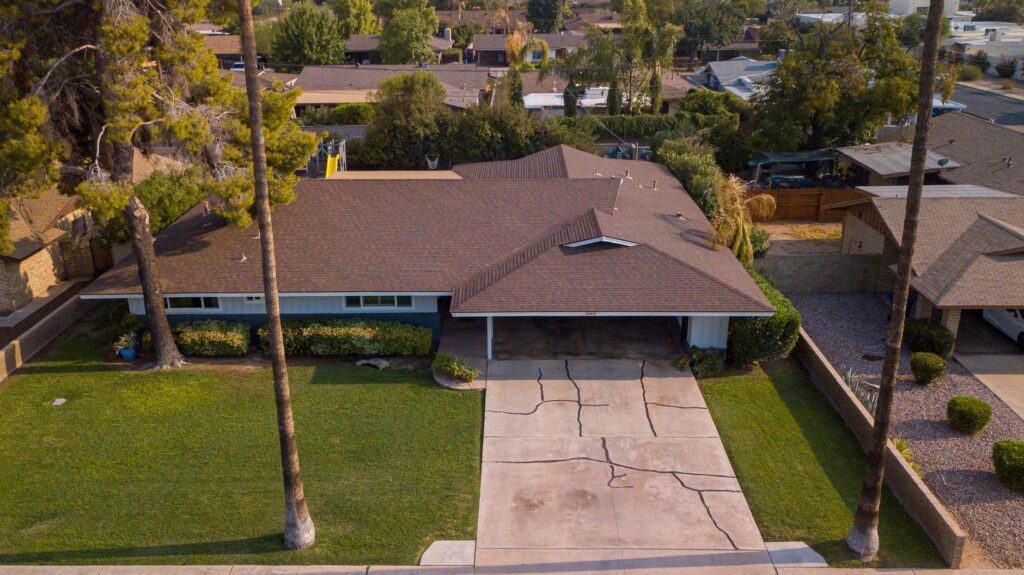
A roof is easy to ignore until something goes wrong. It sits overhead doing its job quietly for years, shedding rain, blocking wind, and holding in the warmth or cool that keeps a home comfortable. But because roofs are out of sight, many homeowners know very little about how they work or when they need attention. Learning a few basics can save money, prevent damage, and help you make better decisions when it comes time to repair or replace.
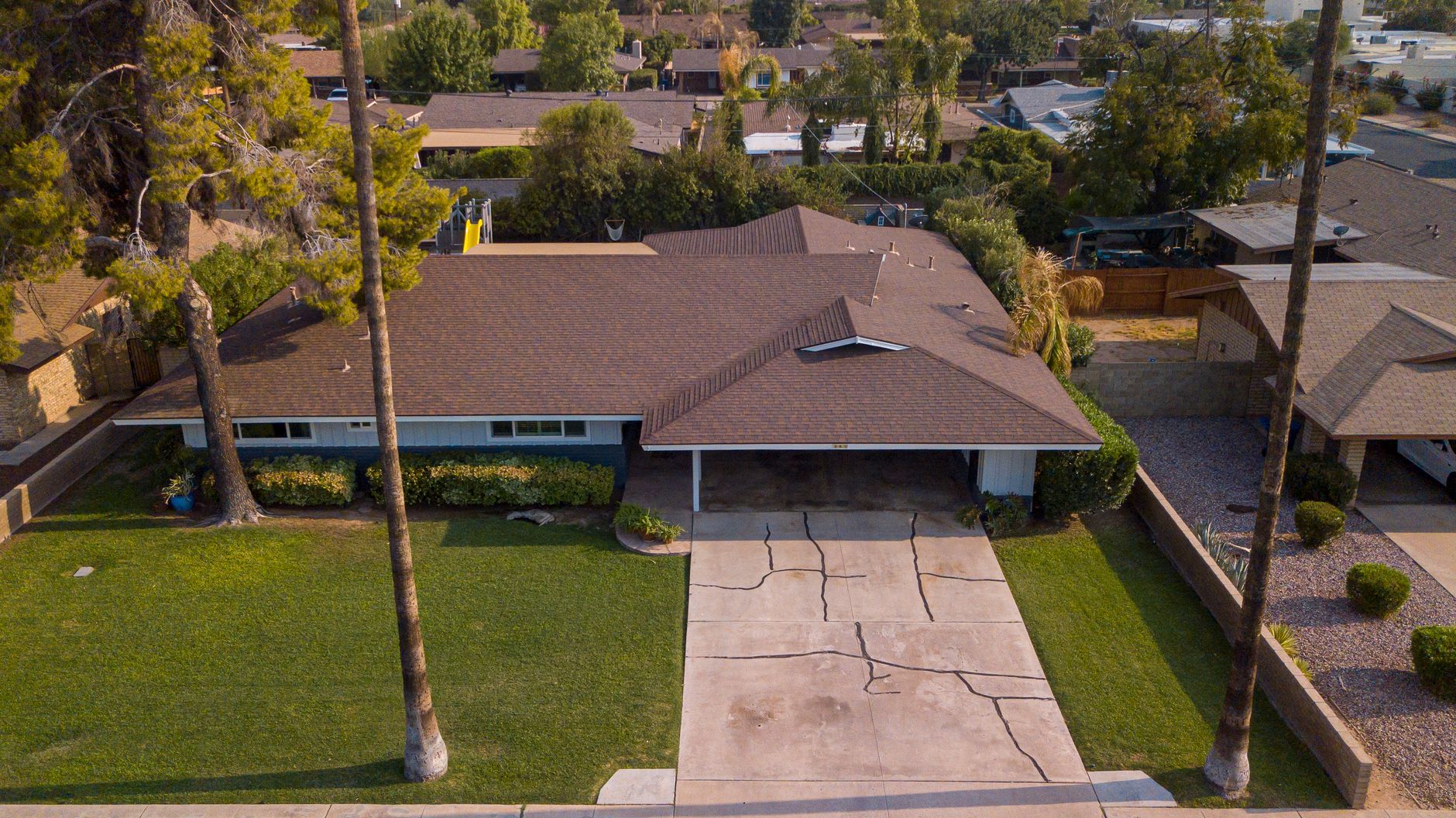
Common Roofing Materials and How They Differ
The material on your roof shapes its lifespan, cost, and appearance. Asphalt shingles remain the most popular choice in many regions because they are affordable, come in a wide range of colors, and are straightforward to install. A typical asphalt roof lasts somewhere between fifteen and thirty years depending on quality and climate.
Metal roofing has grown in popularity for its durability and resistance to fire and wind. It costs more upfront but can last decades longer than shingles. Tile and slate, common in warmer or historic areas, offer striking looks and long service lives, though their weight often requires additional structural support. Wood shakes give a natural appearance but demand more maintenance to guard against rot and pests. Choosing among these options usually comes down to budget, local weather, and the style of the house.
Signs Your Roof Needs Attention
You do not have to climb a ladder to spot trouble. Many warning signs appear from the ground or inside the home. Curling, cracked, or missing shingles are clear indicators that the surface is wearing out. Granules from asphalt shingles collecting in gutters suggest the material is breaking down. Inside, water stains on ceilings, peeling paint near the roofline, or a musty smell in the attic can all point to leaks.
Age is another factor. If your roof is approaching the upper end of its expected lifespan, small problems tend to multiply. Addressing them early is almost always cheaper than waiting for a minor leak to rot the decking beneath. When damage seems widespread or you are unsure of its severity, it is worth bringing in professionals who offer residential roofing services to assess the situation and recommend a practical course of action rather than guessing on your own.
Repair or Replace?
One of the hardest calls a homeowner faces is whether to patch a roof or replace it entirely. A single damaged area from a fallen branch or a few loose shingles can often be repaired affordably. But if the roof is old, has multiple leaks, or shows sagging, a full replacement may be the smarter investment. Repeated repairs on a failing roof tend to add up to more than the cost of starting fresh.
Consider the bigger picture too. If you plan to stay in the home for many years, a new roof pays off in comfort and peace of mind. If you are preparing to sell, a sound roof reassures buyers and can strengthen an offer. A trustworthy contractor should be willing to explain the trade-offs clearly instead of pushing the most expensive option.
Maintenance That Extends Roof Life
Regular care keeps a roof performing longer. Clean gutters allow water to drain properly instead of backing up under shingles. Trimming overhanging branches reduces the debris that traps moisture and the risk of limbs falling during storms. Checking the attic for proper ventilation and insulation helps prevent heat and humidity from damaging the roof from below.
An annual inspection, especially after severe weather, catches small issues before they grow. Look for lifted flashing around chimneys and vents, since these joints are common leak points. A little routine attention costs very little and often adds years to the life of the roof.
Your roof is one of the largest protective systems in your home, and understanding it does not require expertise. Knowing your material, watching for warning signs, weighing repair against replacement, and keeping up with simple maintenance puts you in a far better position to protect your investment and stay dry for years to come.